Outbreak Preparedness
Outbreak Preparedness Checklist
A practical outbreak preparedness checklist: named lead, supplies, staffing cover, communication lines, cleaning surge plan and a dated review each season.
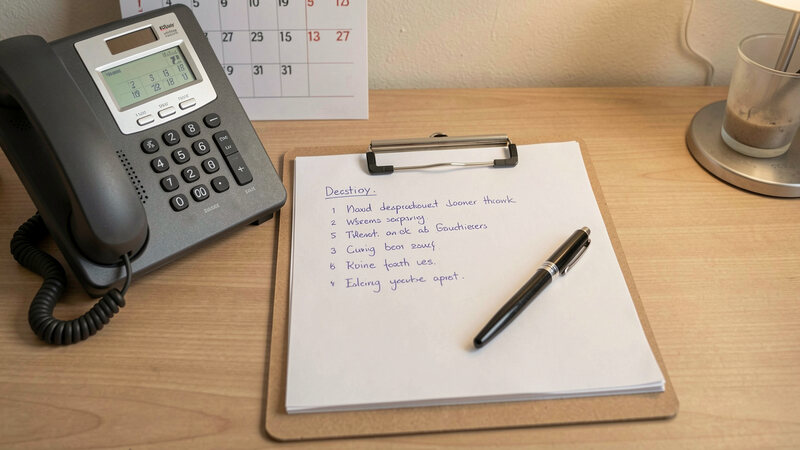
Most small organisations handle a crisis well in the moment and then forget it. The preparedness that carried them through is written down nowhere, so the next disruption starts from scratch. An outbreak checklist is not a plan for a specific disease. It is a short set of decisions, made in quiet times, that can be picked up when things get busy. This guide sets out what belongs on it.
Name the lead and the deputy
Every response needs one person who decides and one who steps in when they are away. Write both names on the checklist, with a way to reach them outside working hours. During a real disruption, the hardest part is often simply knowing who is in charge of what. Naming the pair in advance removes that hesitation.
Keep a small stock
Hold a modest reserve of the things you would not want to run out of: soap, hand gel, cleaning products, gloves, paper towels and, if relevant, masks. Keep it separate from everyday stock so it is not quietly used up, and note the expiry dates. A small, dated reserve is more useful than a large one that nobody checks. Review it twice a year.
Plan the cover
Decide in advance how the work continues when several people are unwell at once. List who can cover each essential task, in order, and which tasks could be paused for a day or two. Train more than one person for anything the business cannot operate without. This step is often skipped because it is uncomfortable, but it is exactly the step that decides whether a bad week becomes a closed door.
Agree the communication lines
Decide how you will tell staff, customers and suppliers what is happening, and who writes each message. Keep short templates ready: one for staff, one for customers on the door or website, one for suppliers. During a disruption, writing from a blank page wastes time and produces inconsistent messages. A template that only needs the date and one sentence changed is far easier to use.
Write the surge cleaning plan
Decide what changes when the risk rises. Which surfaces get cleaned more often, how often, and who does it if the usual person is away. A surge plan is a version of the everyday routine with the frequency turned up, not a different routine invented from scratch. Keep it to one page and attach it to the cleaning list so it is found when needed.
Review each season
Set two review points a year, ideally before winter and before summer, and read the checklist aloud at a team meeting. Check that the names, numbers and supplies are still current, and that the templates still make sense. A checklist reviewed twice a year stays usable; one written once and filed away becomes misleading.
The checklist itself
Keep it to a single page with the following lines: lead and deputy, with contacts; reserve stock and its review date; cover list for essential tasks; message templates and who sends them; surge cleaning frequency; review dates. Sign and date the page each time it is reviewed. That is enough for most small teams, and it can be adapted as the organisation changes.
Writing the message templates
Two short templates cover most needs: one for staff, one for customers. The staff message says what has changed, what is expected today and who to contact. The customer message says whether the business is open, any change to how it works and how to reach it. Keep both to a few sentences with a blank for the date and one detail. During a disruption, writing from a blank page wastes the time you do not have, and a ready template keeps the message consistent.
Decide in advance who sends each message and on which channel, such as a staff group, the door or the website. A message that nobody is assigned to send is a message that never goes out.
How to keep it alive
A checklist is only useful if it stays current. Keep it to one page, date it each time it is reviewed and store it where the team can find it, alongside the cleaning list and the rota. Two review dates a year are enough for most small organisations. Read it aloud at a meeting rather than filing it away, because the conversation is what keeps the names and numbers accurate.
Keep the tone practical
A checklist written in the language of emergency planning is unlikely to be read twice. Keep it in the plain words of the business: who calls whom, where the supplies are, what the note to customers says. Avoid jargon and long headings. The test is whether a new member of staff could pick up the page and understand it in a minute. If not, the checklist is too formal for the job it has to do on a busy morning.
Above all, keep the checklist short enough that someone would actually read it during a difficult morning. Length is the enemy of preparedness.
Start with one decision
Write the name of the lead and the deputy on a sheet today, and set a date to review it in six months. One decision made in advance is worth more than a plan written in a hurry during the next disruption. Add the other lines as you go, and keep the page where the team can see it.