Infection Control in Premises
A Small Business Infection Control Plan
Build a one-page infection control plan for a small business: name a lead, map the space, set cleaning and air routines, brief staff and review monthly.
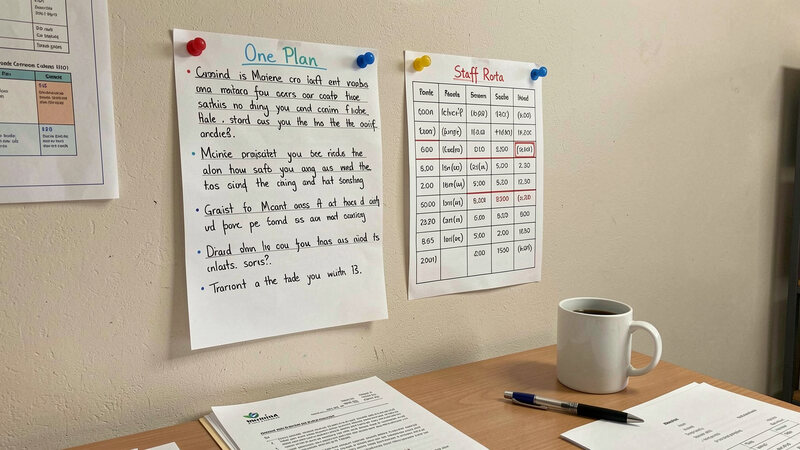
A small business does not need a thick manual to control infection. It needs one page that says who does what, where the risks are and when the work happens. The plan fails when it lives in a folder, and it works when it lives on the wall next to the rota. This guide sets out five steps that a shop, cafe, salon or small office can finish in an afternoon and keep using for years.
Name one person and keep it to one page
Start by naming a single lead. Infection control spread across several people quietly loses tasks: two people assume the door handles were done, and neither checks the cleaning spray. One lead owns the cleaning schedule, the supplies and the staff health notes. The lead does not have to be the owner or the most senior person. The best choice is usually whoever knows how the work actually flows at the busiest hour.
Name a deputy as well, so the plan survives a holiday. Keep the whole plan to one page. A plan that runs to ten pages is read once and never again. If a topic needs more space, such as ventilation or cleaning products, keep the detail in a separate reference and leave a single line on the plan that points to it.
Step 1: map the space and the touches
Walk the premises at opening time and write down where people go and what they touch. Door handles, counters, card terminals, baskets, trolleys, taps, light switches, shared tablets and the backs of chairs all appear on the list. Do not try to treat every surface equally. Mark the spots that many people touch in a day, then mark the ones that get soiled, and rank the list. That ranking is your cleaning plan.
Add the movements as well as the objects. Where do staff and customers cross? Where does a queue form? Where do deliveries arrive and who handles the packaging? A short sketch of the layout, with arrows for movement and dots for touch points, is often more useful than a written description. Keep the sketch with the plan and update it when the layout changes.
Step 2: set the cleaning and air routines
For each ranked spot, decide who cleans it, when and with what. Twice a day, at opening and closing, is a realistic baseline for most small sites, with an extra pass at the busiest time for the highest touch points. Clean first to remove soil, then disinfect. A surface wiped with disinfectant while still greasy or dusty does not get the benefit.
Air is part of the same routine. Opening windows on two sides of a room creates a cross flow that pushes stale air out and pulls fresh air in. Where only one window opens, a fan placed low and aimed out of the opening does much of the same work. Short, frequent airing beats one long blast, especially in winter when a cold room drives people to close everything. The detail is covered in our guide to ventilation in small spaces.
Step 3: write the staff rules
Decide in advance what happens when someone is unwell. Which symptoms mean staying home, who they tell, how the shift is covered and when they can return. Write it plainly and share it before it is needed. A rule invented during a crisis is usually unfair to the person who is ill and confusing for everyone else. Staff who can report honestly are the strongest part of any plan.
Keep the rule short. One paragraph on when to stay away, one on how to report, and one on returning to work is enough for most small teams. Avoid linking the notes to pay or discipline, because that teaches people to hide symptoms. Our guide to staff sickness and return to work sets out a fair version.
Step 4: brief everyone and put the plan where it is used
A plan that only the lead has read is not a plan. Spend ten minutes at a team meeting walking through the page. Point at the cleaning list, the air routine and the reporting rule. Ask each person to say back what they will do. That short conversation catches misunderstandings that no document can.
Then place the plan where the work happens: near the cleaning cupboard, by the till or on the staff noticeboard. Customers only need the short version, which belongs at the point of decision. How to word that is covered in customer rules and signage.
Step 5: review it monthly
Set a fixed day each month to look at the plan. Ask three questions: which tasks were missed, which supplies ran out, and what has changed in the layout or the team. A missed task usually means the frequency or the assignment is wrong, not that the staff are careless. Adjust one thing at a time and write the change on the page with the date.
Seasonal shifts are worth building in. Winter brings more closed windows and more coughs and colds; summer can make a hot room feel impossible to air. Reviewing before each season keeps the routine realistic rather than aspirational.
What good looks like
A good plan fits on one page, names one lead and one deputy, lists the touch points in priority order, sets a cleaning and air routine that the busiest shift can keep, states the sickness rule in plain words, and carries a date from the last review. None of it requires new equipment. Most of the value comes from deciding in advance, so that the busy hour is not also the moment of judgement.
Start today
Pick up a sheet of paper and write down ten things people touch in your premises. That list is the beginning of the plan. Add the name of the lead, choose the two cleaning times and the air routine, write the sickness rule in three sentences, and pin the page where the work is done. Review it on the same day next month.