Air, Cleaning and Hygiene
Air, Cleaning and Hygiene
The everyday basics: ventilation that works in small rooms, cleaning high-touch surfaces in the right order, and hand hygiene people keep doing.
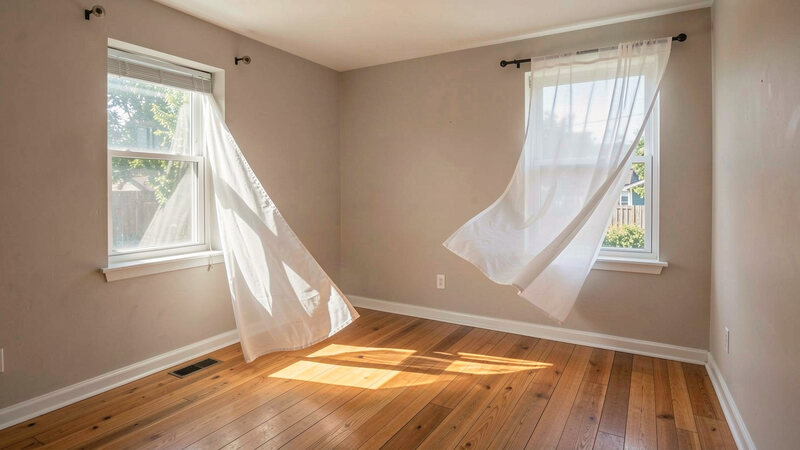
Air, surfaces and hands are the three routes by which infection moves through a shared space. Each needs its own routine, and the routines work best when they are joined into one daily rhythm rather than treated as separate projects. This section explains each in turn and shows how to combine them.
Air first
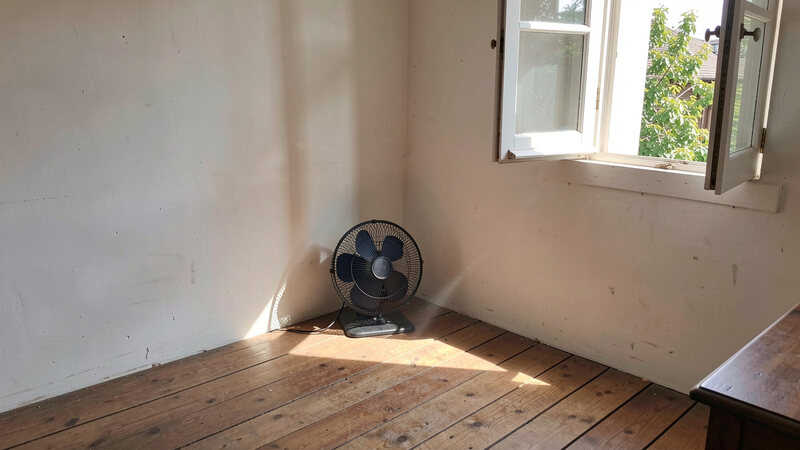
Ventilation is the cheapest measure available and the easiest to forget. Opening two sides of a room, or pushing air out of a single window with a fan, dilutes whatever is suspended in the air. The aim is to keep the flow going while the room is occupied, not to air it once and seal it. Our guide to ventilation in small spaces covers cross flow, the single window case, fans, purifiers and how to check that it is working.
Cleaning surfaces
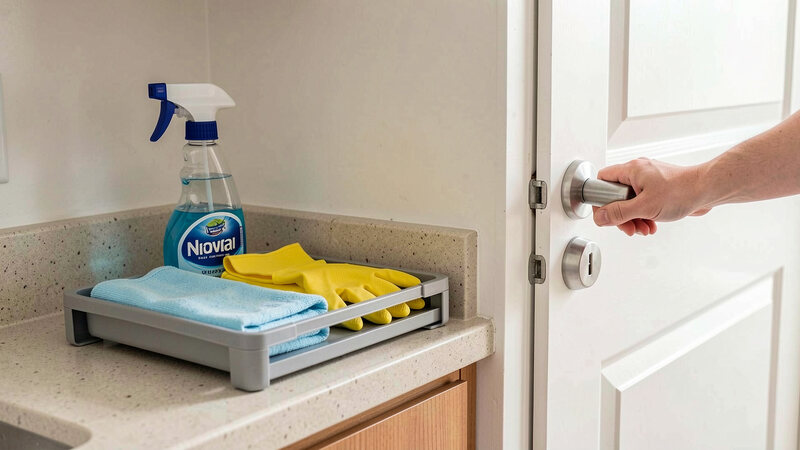
Surfaces matter because hands pick up what surfaces carry. The order is clean first to remove soil, then disinfect. Not every surface needs the same attention; the ones many people touch, such as handles, counters and shared equipment, come first. Our guide to cleaning high-touch surfaces explains how to list the points, choose products sensibly, set a realistic frequency and keep a simple log.
Hand hygiene
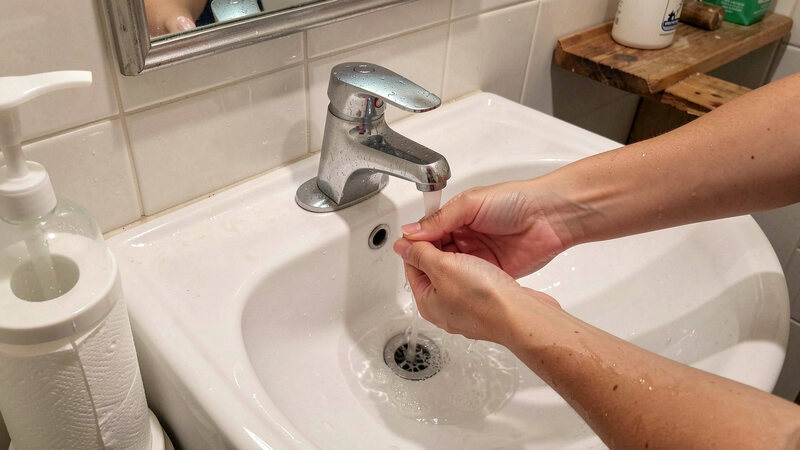
Hands are the link between surfaces and people. Hand hygiene works when it is tied to specific moments and when soap, water and gel are placed where the work happens. Our guide to hand hygiene in public spaces sets out the five moments, how to make washing convenient, the difference between soap and gel, and the parts of the hand people most often miss.
Putting the routine together
The three measures fit into the shape of the day. Before opening, air the rooms and clean the top touch points. During the day, keep the air moving and use the hand hygiene moments as people move through the work. At closing, do the main clean and note anything that ran low. Building the measures into opening and closing is what makes them survive a busy week; treated as extra tasks, they are the first thing dropped.
The articles in this section
Start with ventilation if your rooms are often closed and stuffy, because it is the cheapest change and the least disruptive. Start with surface cleaning if your trade involves many shared objects and counters. Start with hand hygiene if you have a sink or a gel dispenser that is rarely used. All three connect back to the one-page plan described in the premises section.
Keeping it honest
It is easy to believe a routine is running when it is not. A quick weekly check, such as whether the gel is stocked or whether a window is actually open during the busy hour, keeps the routine honest. Adjust one thing at a time and note the change. The measures that last are the ones that fit the real rhythm of the work, not the ones that look best on paper.
A simple daily order
The three measures have a natural order through the day. Before opening, air every room and clean the top touch points. During the day, keep the air moving, and let the hand hygiene moments fall where the work already pauses, such as between serving one customer and the next. At closing, do the main clean, note what ran low and check that the windows are ready to open again tomorrow. Written in that shape, the routine takes minutes rather than a separate shift.
Where several people share the work, write the order on one sheet so nobody has to remember it. A morning column, a daytime column and a closing column is enough. The point is not to record everything, but to make the next action obvious to whoever is free at that moment.
What to measure, and what not to
It is tempting to add instruments, but only one is genuinely useful for most small sites: a carbon dioxide monitor, which shows whether a room is reusing its air. A rising reading while the room is occupied is a clear prompt to open up or increase the flow. Everything else, from tissue tests to a hand held near the opening, is a rough check and should be treated as such. Measurements are there to guide a change, not to become a new routine of their own.
What not to measure is how often a task was done. Counting cleaning rounds or window openings turns a routine into a compliance exercise and invites people to tick boxes. It is better to check occasionally that the window is actually open at the busy hour, and to fix the reason if it is not.
Where the three measures meet
The measures reinforce each other in a way that is easy to miss. Good ventilation lowers what is in the air; cleaning lowers what is on surfaces; hand hygiene stops what is left from reaching the face. None of them is perfect alone, and none needs to be. A small business that keeps all three at a modest level is better protected than one that does one of them perfectly and forgets the others.
Start with the air
Open two windows in the busiest room today, or set a fan to push air out of the single one, and keep it going while people are there. Then add one cleaning point and one hand hygiene moment. That small combination is the whole section in practice.
Air, Cleaning and Hygiene
Ventilation in Small Spaces
Improve ventilation in small rooms with cross-flow windows, a fan placed low, short regular airing and a simple carbon dioxide check when it matters.
Cross flow, fans and a single window.
Air, Cleaning and Hygiene
Cleaning High-Touch Surfaces
Clean high-touch surfaces in the right order: list the spots people actually touch, remove soil first, then disinfect, and set a realistic frequency.
Clean first, then disinfect.
Air, Cleaning and Hygiene
Hand Hygiene in Public Spaces
Make hand hygiene stick in public spaces: fix the moments, put soap and gel where the work happens, keep sinks usable and correct the common misses.
Five moments and a stocked dispenser.