Air, Cleaning and Hygiene
Hand Hygiene in Public Spaces
Make hand hygiene stick in public spaces: fix the moments, put soap and gel where the work happens, keep sinks usable and correct the common misses.
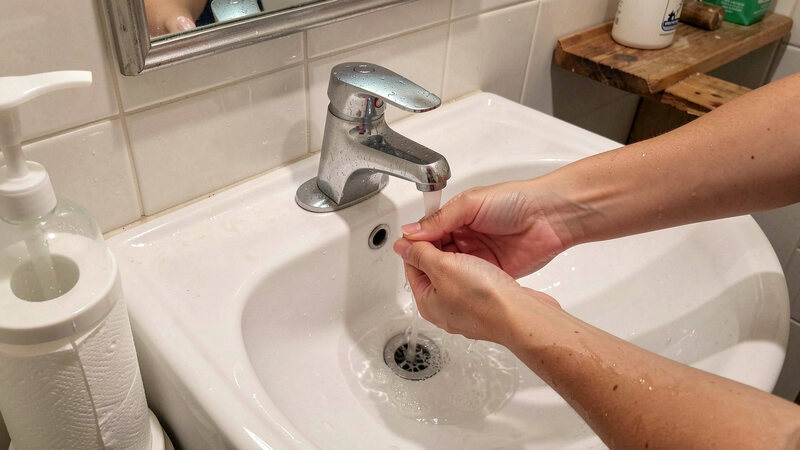
Hand hygiene is the simplest infection control habit and the hardest to make stick. In a busy public space, people mean to wash their hands and then the queue, the phone or the delivery gets in the way. The answer is not to ask for more willpower but to fix the moments, place the supplies where the work happens and remove the small obstacles that quietly stop people. This guide sets out how.
Why hands carry so much
Hands touch surfaces all day and then touch the face, often without any conscious decision. That is how germs move from a door handle or a shared tablet into the body, and how they move from one person to the next through the things everyone handles. Washing with soap and water lifts germs off the skin and rinses them away. Because the route runs through the hands, breaking it is worth more than most other single measures.
Fix the moments
Hand hygiene works when it is tied to specific moments rather than to a general intention. For a small team, five moments cover most of the risk: before starting work, before handling food or stock, after using the toilet, after handling waste or deliveries, and after coughing, sneezing or blowing your nose. In customer facing work, add before and after serving or handling shared equipment.
Write the moments on a short list and place it where they happen. A list of five is remembered; a list of fifteen is ignored. Review the list if the work changes, and drop any moment that no longer applies.
Make washing possible
The most common reason people do not wash their hands is that it is inconvenient. Put soap, running water and a way to dry hands within reach of the work. Keep the sink clear of stacked crockery and boxes. Provide paper towels or a working dryer rather than a shared cloth, which can move germs from one pair of hands to the next.
Where a sink is not available, place hand gel at the point of use: on the counter, by the till, at the entrance and beside shared equipment. Gel at the back of a storeroom is used by nobody. The rule is simple: put the supply where the hand already is.
Soap and water versus gel
Soap and water is the first choice whenever hands are visibly dirty or after using the toilet. Alcohol gel is a practical alternative when washing is not possible, and it acts quickly, but it works less well on soiled or greasy hands. Use enough gel to cover both hands and rub until dry, which takes longer than most people expect. For staff whose skin reacts to frequent washing, provide a moisturiser so that sore hands do not become a reason to skip the routine.
Keep it stocked
A dispenser that runs dry quietly teaches everyone to stop trying. Give one person the job of checking supplies at opening, and keep a small reserve where it can be reached in seconds. Add the check to the same list as the cleaning round so it is not forgotten. Note the refill date on the dispenser or the log so the pattern of use becomes visible.
Common misses
The usual gaps are the thumbs, the fingertips, the backs of the hands, between the fingers and the wrists. Nails and the skin under rings hold soil, so keep nails short and clean. Rushing the wash is the biggest miss of all: aim for about thirty seconds with soap and water, covering every part of the hand, then rinse and dry. A short poster of the steps at the sink keeps the technique consistent across the team.
Make it a habit, not an instruction
Habits grow from small, repeated cues rather than from reminders. A brief mention at the start of a shift, a stocked dispenser in the right place and a team that washes where customers can see it will do more than a poster alone. Where the busiest period makes washing hard, adjusting the staffing is often the most effective change of all.
Helping customers do the same
Staff habits set the tone, but customers also need a chance to clean their hands. Place sanitiser where they arrive, where they handle shared items and where they leave. Keep the dispensers full, since an empty one teaches people to stop trying, and put a short notice at the same spot rather than on the other side of the room. Where food is served, a visible sink or gel station near the entrance does more than a sign alone.
Do not rely on gel to cover for missing facilities. Soap and water remain the first choice, and gel is the fallback. A premises with clean, stocked sinks and well-placed gel makes hand hygiene easy for staff and customers alike, which is what turns a rule into a habit.
Keeping the message simple
Hand hygiene fails most often because the message is complicated. One clear prompt at the sink, one dispenser in the right place and a team that washes where it can be seen will do more than a wall of posters. Keep the instruction to a single action and put it where the action happens. Simplicity is what makes a habit survive the busiest day of the week.
Start at the sink
Check today that the sink has soap, running water and a way to dry hands, and that the gel is at the point of use rather than in a cupboard. Write the five moments on a card and pin it by the sink. That is the whole routine, ready to run tomorrow.